
How Background Check Failures Can Lead to Nursing Home Abuse
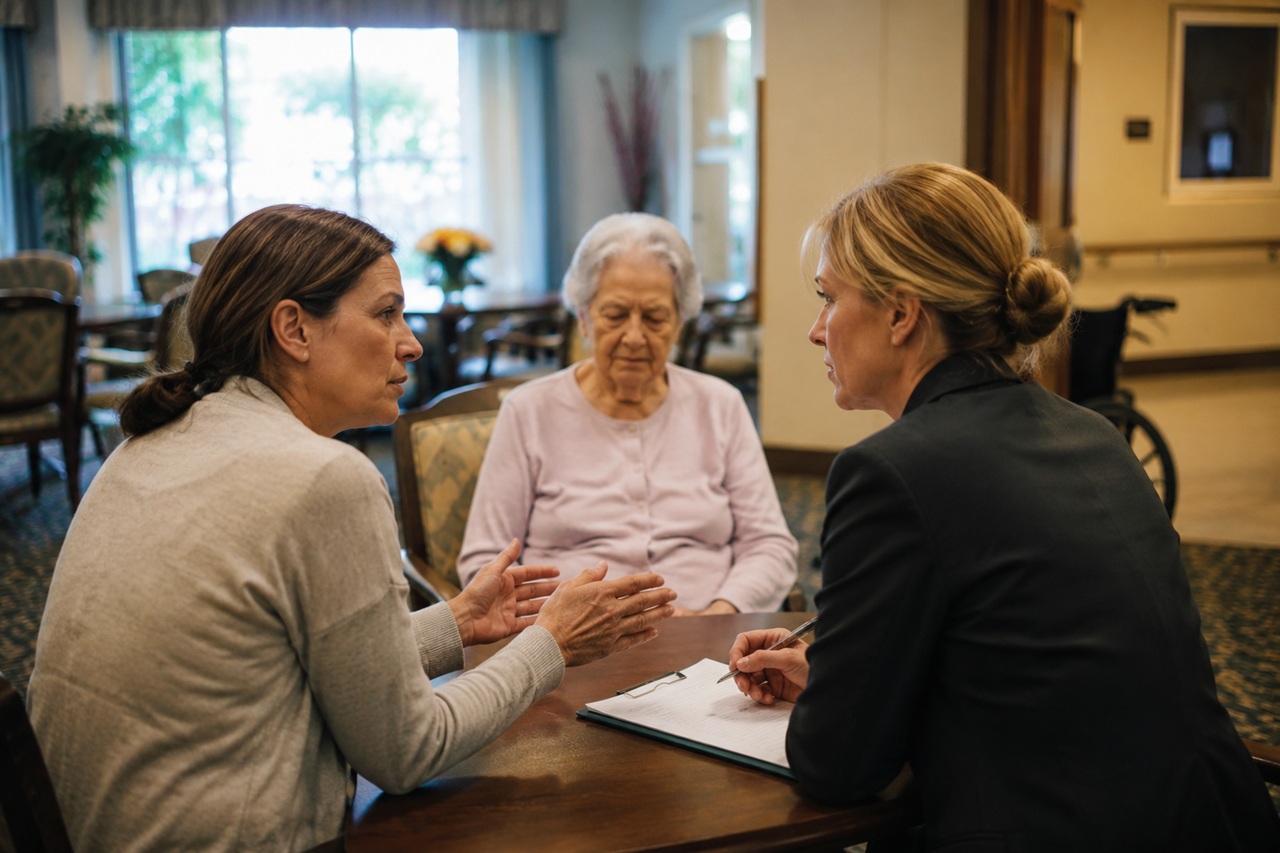
Background Check Failures Can Put Alabama Nursing Home Residents In Danger
Every family that places a loved one in a nursing home is making an act of trust. They're trusting that the facility screened its employees, that the people providing daily care do not have a history of violence, abuse, neglect, or financial exploitation, and that the nursing home took reasonable steps to keep vulnerable residents safe before anyone ever walked through the door.
When that screening process fails, or is skipped entirely, the consequences can be devastating.
At Shuttlesworth Law Firm, P.C., we’ve seen how devastating these failures can be for families who trusted a nursing home to protect someone they love, only to learn the facility failed to properly screen the staff members providing their care.
The risk is not theoretical. A 2025 audit by the U.S. Department of Health and Human Services Office of Inspector General found that Alabama did not always verify compliance with background check requirements for selected nursing homes. The audit found that for 139 of 439 sampled nursing home employees, facilities either failed to meet federal background-check requirements before the employee began work, failed to meet state registry-query requirements before the employee began work, or both.
What Should Nursing Homes Do Before Hiring Staff?
Nursing homes should treat employee screening as a resident-safety obligation, not a paperwork formality. Facilities that care for vulnerable adults must know who they are placing in direct contact with residents, especially when employees will assist with bathing, dressing, medication, transfers, meals, personal care, and access to private rooms or personal property.
Alabama maintains an Elder and Adult in Need of Protective Services Abuse Registry, which can include individuals with convictions or findings involving elder abuse, neglect, exploitation, financial exploitation, intimidation, sexual abuse, or other misconduct involving elderly people or adults in need of protective services. Nursing homes should also review relevant federal exclusion records, state licensure records, nurse aide registry information, criminal history, and employment references before putting someone in a resident-facing role.
The minimum screening steps a facility should take before placing anyone in a direct care role include:
- Federal Exclusion Database Check: The Office of Inspector General maintains a list of individuals and entities excluded from participation in Medicare and Medicaid programs due to prior misconduct, fraud, abuse, or other disqualifying conduct. A facility receiving federal funding should screen employees and contractors to ensure excluded individuals are not placed in covered roles.
- State Registry Searches: Alabama registry checks can identify individuals with substantiated findings, convictions, or agency determinations involving abuse, neglect, exploitation, or financial exploitation of vulnerable adults. A clean criminal history alone is not enough if the facility fails to check the registries designed for elder-safety screening.
- Criminal Background Investigation: A thorough criminal history search should account for where a candidate has lived or worked, not just a narrow local search. Limiting the review to one jurisdiction can create gaps that allow dangerous employees to slip through.
- Sex Offender Registry Verification: Placing an individual with a sex offense history in a role that involves physical care of a vulnerable adult is one of the most serious hiring failures a facility can commit. Registry verification is a basic safety step.
- Reference Checks With Prior Employers: Documentation of prior employment in care settings, and direct contact with previous supervisors, can surface patterns of misconduct that never resulted in a formal finding but were known to people who worked with the individual.
These steps are designed to keep people with documented histories of harming residents out of direct care positions. A nursing home that bypasses them, rushes through them, or treats them as a formality may already be failing in its duty of care before a new employee ever reports for a first shift.
When a resident is harmed by someone who should never have been hired, the paper trail of skipped or incomplete screening can become the foundation of a negligence claim against the facility. The importance of background checks for nursing home employees is not just an employment issue. It is a resident-safety issue.
How Do Background Check Failures Happen?
Understanding why screening failures occur helps explain why they are more common than many families realize. Nursing homes across Alabama face chronic understaffing, and the pressure to fill open positions quickly can lead administrators to cut corners at the front end of the hiring process.
Some facilities rely on third-party staffing agencies and assume those agencies handled the required screening without verifying that assumption. Others conduct searches that are too narrow, checking only one database or one state, even though a candidate has lived and worked in multiple states.
For example, a direct care worker with a substantiated abuse finding in another state may not appear in Alabama's registry if the original finding was never reported to a national database or was never formally recorded in a way that triggers a federal flag. A facility that runs only a cursory check and relies on one clean result may unknowingly place residents in the care of someone with a dangerous history.
There is also the issue of ongoing monitoring. Background checks conducted at the time of hire capture a snapshot. If an employee is later convicted of a disqualifying offense, develops a pattern of abusive behavior, or is the subject of complaints after being hired, a facility that fails to monitor, supervise, and respond to such issues can still put residents at risk.
What Types Of Abuse Can Background Check Failures Enable?
When a nursing home places an unscreened or inadequately screened employee in a direct care role, it creates the conditions for multiple forms of resident harm. These are the categories of abuse that most frequently trace back to failures in the hiring process, and why each one carries serious legal consequences for the facility:
- Physical Abuse by Staff With A Prior Violent History: Residents who depend on staff for bathing, repositioning, and daily care are physically vulnerable in ways that can make them easy targets for employees with a history of violence. A proper background check that surfaces prior substantiated physical abuse findings, criminal convictions, or registry flags can prevent a known abuser from ever reaching a resident.
- Financial Exploitation and Theft: Nursing home residents can be financially vulnerable, especially when staff have access to rooms, belongings, debit cards, checkbooks, personal documents, or family contact information. Employees with histories of theft, fraud, or financial exploitation are exactly the type of people screening procedures should identify before they are placed in a position of trust.
- Sexual Abuse: Sexual abuse of nursing home residents is one of the most devastating and underreported forms of elder mistreatment. Perpetrators who have prior convictions, findings, or credible complaints related to sexual misconduct should never be placed in a position of physical intimacy with a vulnerable resident.
- Neglect Driven By Indifference Or Incompetence: Not every background check failure involves a violent or criminal history. Some screening failures allow individuals into care roles who were previously flagged for neglect, medication errors, abandonment, or unsafe care practices. Those patterns can repeat, and residents in their care can suffer the same consequences.
When any of these forms of harm occur, and the facility's hiring records show that adequate screening was never performed, that gap can become powerful evidence of negligence in a legal claim.
Can A Nursing Home Be Liable For Negligent Hiring?
Yes. Nursing homes owe residents a high duty of care because they are paid to provide safe housing, medical support, supervision, personal care, and protection for people who often cannot protect themselves. When a facility hires someone it should not have hired, or fails to check information that would have revealed a serious risk, the facility may be liable for negligent hiring.
Negligent hiring is different from simply blaming one bad employee. It focuses on the facility's own decisions. Did the nursing home run the required searches? Did it verify credentials? Did it check prior employment? Did it ignore red flags? Did it prioritize speed and staffing needs over resident safety?
Facilities may also face liability for negligent retention or supervision if they kept an employee after learning about complaints, warning signs, prior incidents, or misconduct. Liability in nursing home abuse cases often turns on what the facility knew, what it should have known, and what it failed to do to protect residents.
What Evidence Can Show A Nursing Home Failed To Screen An Employee?
Background check failure cases depend heavily on records. Nursing homes may have hiring files, personnel documents, credentialing logs, background check results, agency contracts, registry search records, disciplinary records, incident reports, and internal emails that show exactly what was done before the employee began work.
Important evidence may include:
- Personnel Files: Applications, resumes, references, disciplinary records, training records, and internal notes may show whether the facility investigated the employee’s history or ignored obvious gaps.
- Registry Search Records: Facilities should be able to show when they checked relevant state and federal registries, what results came back, and whether those checks occurred before the employee began work.
- Third-Party Staffing Agreements: If a staffing agency supplied the employee, the contract and communications may show who was responsible for screening and whether the facility verified compliance.
- Prior Complaints Or Incidents: Earlier complaints involving the same employee, the same unit, or similar conduct can show that management had warning signs and failed to act.
- Medical and Care Records: Resident records may show injuries, behavior changes, unexplained fear, missed care, medication problems, or other signs that abuse or neglect occurred.
A nursing home abuse attorney can obtain hiring records, review the relevant background-check databases, and determine whether the facility missed or ignored red flags before placing an employee in a resident-facing role. A thorough investigation may also include medical records, supervision records, witness statements, financial records, and other evidence showing how the facility’s screening failure contributed to the resident’s harm.
What Should Families Look For When Abuse Is Suspected?
Recognizing that a loved one's abuse or neglect may have originated with a hiring failure requires families to ask questions the facility may not want to answer. If you suspect nursing home abuse, these steps matter:
- Request The Facility's Hiring And Credentialing Records: Families and their attorneys have legal avenues to obtain documentation of what background checks were conducted, when they were completed, and which systems were searched. Gaps in that documentation can be significant.
- Look For Patterns In Staff Behavior: A single incident may reflect one employee's conduct. A pattern of incidents, particularly involving the same staff member, shift, unit, or type of injury, can suggest a systemic failure that management was aware of or should have discovered.
- Document Injuries And Changes In Condition Promptly: Photographs, written records of conversations with staff, medical evaluations, and notes on a loved one's physical and emotional state create a contemporaneous record that becomes essential if a legal claim follows.
- Report Immediate Danger: If a resident is in immediate danger, call 911. Families may also report nursing home abuse to the appropriate Alabama agencies. A complaint report can create an important official record, even though it does not replace a civil claim for compensation.
- Contact An Attorney Before Confronting Facility Management: Nursing homes move quickly to protect themselves when allegations of abuse surface. Having legal counsel in place before that process begins puts a family in a stronger position.
Families can also learn more about how to file a complaint against an Alabama nursing home, but reporting alone may not uncover every hiring failure or preserve every record needed for a legal claim.
Fighting For Alabama Families Who Deserve Answers
If your loved one was harmed by a nursing home employee and you have reason to believe the facility did not do its homework before putting that person in a position of trust, you deserve to know the truth. The nursing home also deserves to be held accountable for its choices.
Attorney Perry Shuttlesworth has spent more than 30 years fighting for Alabama families in exactly these situations, taking on cases other firms won't touch and securing results that hold negligent facilities responsible.
There are no upfront costs and no fees of any kind unless we recover compensation for your family. Contact Shuttlesworth Law Firm, P.C., today to schedule a free consultation.
"I had a good experience with the Shuttleworth Law Firm. Mr. Perry was excellent as my lawyer and kept me updated on the case. If you need help, Shuttlesworth Law Firm is a good choice. His staff is kind, and they listen to your concerns. I am thankful for their service." - Emma S., ⭐⭐⭐⭐⭐