
Can Poor Dementia Care Be Nursing Home Neglect in Alabama?
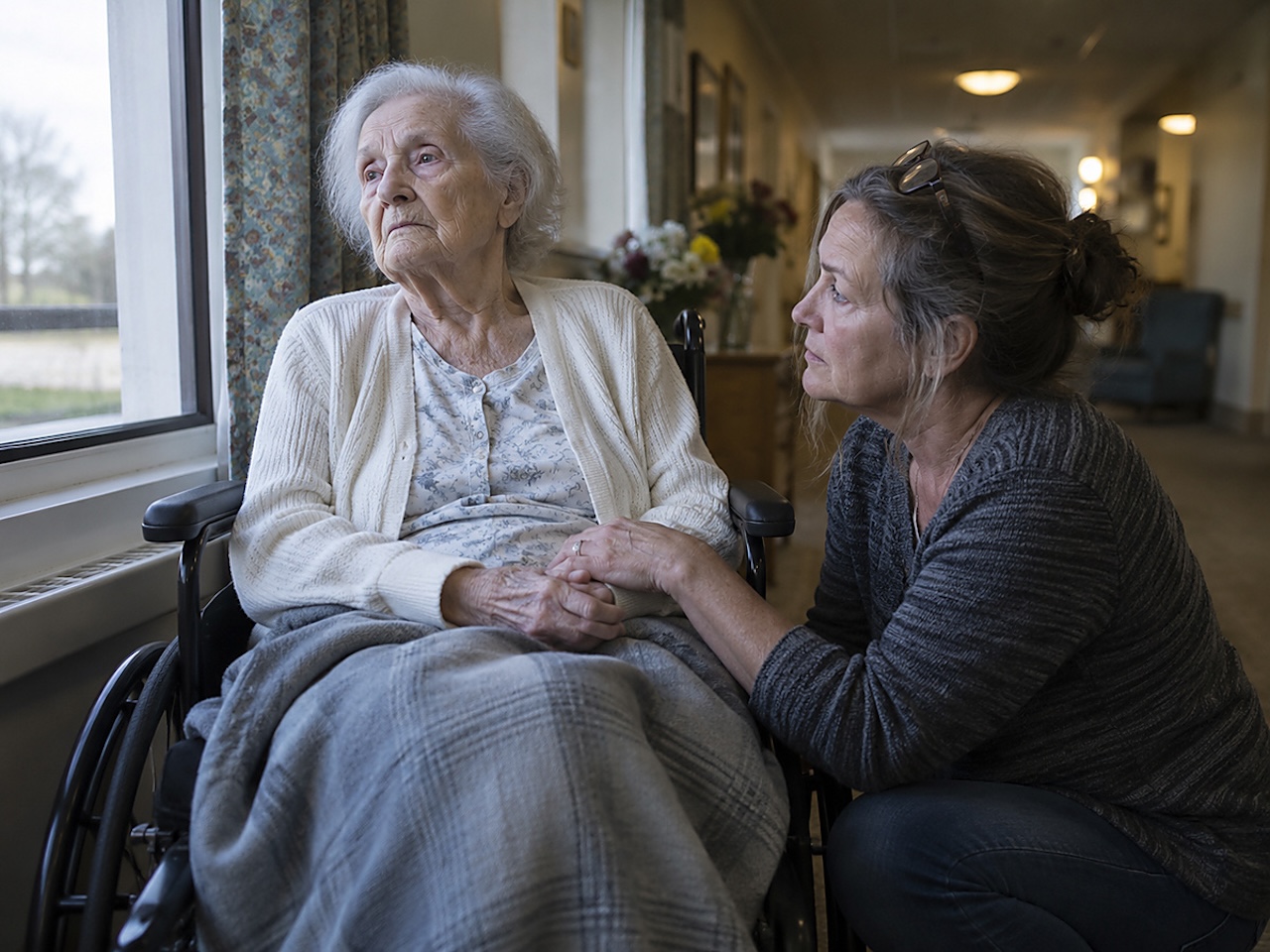
When Memory Care Fails, Families Are Left to Ask Why
September marks World Alzheimer's Month, a global campaign dedicated to raising awareness about Alzheimer's disease and other forms of dementia. For families who placed a parent or spouse in a nursing home believing they would receive attentive, dignified care, a sudden decline can raise an uncomfortable question: Is this the natural progression of dementia, or is something else going wrong?
That distinction isn't always obvious. Dementia can change a person's memory, communication, judgment, mobility, and behavior over time. But infections, dehydration, medication problems, falls, inadequate nutrition, and other medical issues can also cause new or worsening symptoms that shouldn't automatically be attributed to dementia.
Perry Shuttlesworth, an Alabama nursing home neglect lawyer, has practiced law for more than 30 years and founded Shuttlesworth Law Firm, P.C. in 1998. He represents families throughout Alabama when poor nursing home care may have caused a resident serious harm.
Key Takeaways
- A dementia diagnosis doesn't excuse a nursing home from providing care based on a resident's individual needs.
- A sudden change in confusion, behavior, mobility, eating, or alertness can have causes other than the progression of dementia and may warrant medical evaluation.
- Falls, dehydration, medication problems, poor hygiene, and untreated infections can become evidence in a neglect claim when inadequate care caused or contributed to the resident's harm.
- Not every decline or bad medical outcome proves neglect. The surrounding care, documentation, medical evidence, and cause of the injury still matter.
What Counts as Neglect When a Resident Has Dementia?
Dementia can make it harder for a resident to describe pain, remember an incident, report mistreatment, or explain that something about their care has changed. The extent of those limitations varies from person to person and can become more significant as the disease progresses.
That makes observation and individualized care especially important. A resident who can't reliably say that they haven't been drinking enough, that they're in pain, or that they received the wrong medication may depend heavily on staff members to recognize changes and respond appropriately.
What Federal Nursing Home Rules Require
For Medicare- and Medicaid-certified nursing homes, 42 C.F.R. § 483.10 requires equal access to quality care regardless of diagnosis or severity of condition. 42 C.F.R. § 483.25 requires treatment and care consistent with professional standards, the resident's assessment, and the person-centered care plan. Facilities must also provide adequate supervision to prevent accidents and sufficient fluids to maintain proper hydration and health.
For example, a resident with Alzheimer's disease who suddenly becomes much more confused, withdrawn, or agitated shouldn't automatically be assumed to be experiencing ordinary dementia progression. The National Institute on Aging notes that delirium can cause sudden confusion and that medications and other medical conditions can affect cognition in older adults. Infection can also produce serious complications, and the CDC identifies confusion or disorientation as one possible sign of sepsis.
If a resident develops a urinary tract infection, dehydration, or another illness and staff members fail to recognize and appropriately respond to meaningful changes in the resident's condition, the medical records, care plan, staffing records, and other evidence may help determine whether inadequate care contributed to the resulting harm.
Warning Signs Families Should Never Ignore
Because dementia can make it more difficult for a loved one to explain what happened, changes observed during visits and phone calls can be especially important. Warning signs can include:
- Sudden Confusion or Increased Agitation: A rapid behavioral change can have many possible causes, including delirium, illness, medication effects, dehydration, pain, or changes in the underlying dementia. A sudden change deserves attention rather than an automatic assumption that the disease simply progressed.
- Unexplained Bruising, Fractures, or Falls: Repeated or unexplained falls can raise questions about supervision, mobility assistance, environmental hazards, or whether a known fall risk was addressed in the resident's care plan.
- Rapid Weight Loss or Signs of Dehydration: Residents who need assistance eating or drinking may depend on staff to monitor intake and respond when their nutritional or hydration status changes. Serious dehydration can require prompt medical attention.
- Overmedication or Unusual Drowsiness: New sedation or changes in alertness can justify a review of medication orders, administration records, recent prescription changes, and the reason medications were given. Federal law protects nursing home residents from chemical restraints used for discipline or staff convenience when they aren't required to treat medical symptoms.
- Soiled Clothing, Bedding, or Persistent Odor: Repeated hygiene problems may suggest that toileting, bathing, incontinence care, or other basic needs aren't consistently being met.
Any one of these signs can have an explanation unrelated to neglect. A pattern of unexplained problems, repeated failures to follow the care plan, missing documentation, or delayed responses to changes in condition can justify a closer look at what care the resident actually received.
Why Residents With Dementia Can Be Especially Vulnerable
Residents with dementia may need more supervision, cueing, assistance with activities of daily living, medication management, and monitoring than residents who can independently communicate their needs.
Federal nursing-home rules recognize that staffing has to reflect those individual needs. Under 42 C.F.R. § 483.35, a facility must have sufficient nursing staff with the competencies and skills needed to provide care based on resident assessments, care plans, acuity, diagnoses, and the facility's resident population.
When a facility is understaffed, staff members may have difficulty completing all of the monitoring, hygiene, repositioning, mobility assistance, feeding, hydration, and other care required by residents. Whether staffing was legally inadequate in a particular case depends on the resident's needs, the facility's staffing, what care was required, and what actually occurred.
Medication management presents another concern. A resident with dementia may not be able to identify a wrong pill, remember whether medication was already given, or clearly describe an adverse effect. That can make accurate medication administration and documentation particularly important. Medication errors can include the wrong drug, wrong dose, missed medication, duplicate dose, or failure to recognize a known contraindication.
When Can Poor Dementia Care Become a Legal Claim?
Not every fall, infection, hospitalization, or decline in a resident with dementia means a nursing home committed legal negligence. Dementia is progressive, and many nursing home residents have significant underlying medical conditions that can worsen even when appropriate care is provided.
A legal claim focuses instead on whether the care fell below the applicable standard and whether that failure caused or contributed to an injury.
The Alabama Supreme Court has held that nursing homes are covered by the Alabama Medical Liability Act when claims arise from the treatment or mistreatment of a resident. Under Alabama Code § 6-5-548, a claimant generally must prove by substantial evidence that the health care provider failed to exercise the reasonable care, skill, and diligence that similarly situated providers ordinarily exercise in a like case.
That means the central questions may include what the resident's condition required, what the care plan called for, whether staff followed it, whether changes in condition were recognized and reported, and whether an alleged failure actually caused the injury being claimed.
Federal and state nursing-home regulations, facility policies, medical records, staffing information, medication administration records, witness testimony, photographs, and qualified medical testimony can all become important depending on the allegations.
Timing matters too. Nursing home liability claims governed by Alabama's Medical Liability Act are generally subject to the limitations provisions in Alabama Code § 6-5-482, which generally provides two years from the act or omission.
Steps Alabama Families Can Take When They Suspect Neglect
If something about your loved one's condition or care doesn't make sense, gathering information early can help protect both the resident's health and the evidence needed to understand what happened.
- Address Immediate Medical Concerns: If your loved one appears seriously ill, injured, dehydrated, unusually confused, or otherwise in need of urgent care, their health comes first. Ask for appropriate medical evaluation and emergency treatment when necessary.
- Request the Care Plan and Medical Records: Federal nursing-home rules give residents access to their personal and medical records and allow an authorized resident representative to exercise the resident's delegated rights. Under 42 C.F.R. § 483.10, requested records generally must be made available for inspection within 24 hours, excluding weekends and holidays, and copies can be requested with two working days' advance notice.
- Document Changes and Injuries: Keep a dated record of changes in behavior, eating, hydration, mobility, injuries, hospitalizations, and conversations with staff. Photographs may also help document visible injuries or conditions.
- Report Serious Concerns: The Alabama Department of Public Health accepts nursing home complaints involving neglect, poor care, insufficient staffing, unsafe conditions, and other concerns. A regulatory complaint is separate from a civil claim, but an investigation may provide important information about the facility's care.
- Have the Records Reviewed: A nursing home neglect attorney can examine the timeline, care plan, staffing, medication records, medical treatment, and other evidence to determine whether there is a reasonable basis to investigate further.
Acting early can matter because records may become harder to obtain, memories fade, surveillance footage may be overwritten, and the resident's medical condition can continue to change.
Why Alabama Families Trust Shuttlesworth Law Firm, P.C.
For more than 30 years, Perry Shuttlesworth has represented Alabama families in nursing home abuse and neglect cases. His experience includes claims involving dehydration, urinary tract infections, medication errors, falls, pressure wounds, malnutrition, and other serious failures in resident care.
Our nursing home case results include a $1.2 million jury verdict in a wrongful death case involving a failure to provide oxygen to a resident and a $1 million settlement in a wrongful death case involving bedsores. Those cases involved their own facts, and the compensation available in any nursing home neglect claim depends on the evidence, injuries, causation, and other circumstances.
Every client receives personal attention rather than being passed from one unfamiliar person to another. We take the time to understand what changed, what the records show, and whether the care your loved one received matched what their condition required.
If your family suspects that poor dementia care crossed the line into neglect, you don't have to sort through the records and unanswered questions alone. Contact us for a free, confidential consultation about what happened and what options may be available.
"Mr. Shuttlesworth's devotion, his passion, as well as his inexhaustible knowledge and quest for justice for the elderly is truly amazing. He represented my mom's case as if we were his one and only client." - Donna B., ⭐⭐⭐⭐⭐